Why Bathroom Floor Cleaner Matters
Bathrooms are high-traffic, high-moisture spaces. Floors collect soap residue, water spots, hair, footprints, and everyday grime faster than most areas of the home.
A good bathroom floor cleaner should clean routine messes without overpowering fumes, sticky buildup, or heavy residue. For tile and approved shower floors, a pH neutral formula is a smart choice because it cleans without being too acidic or too alkaline.
Use on sealed floors and non-porous hard surfaces. Avoid unsealed stone, unsealed grout, carpets, rugs, and fibrous surfaces unless your surface manufacturer says it is safe.
How This Bathroom Floor Cleaner Is Different
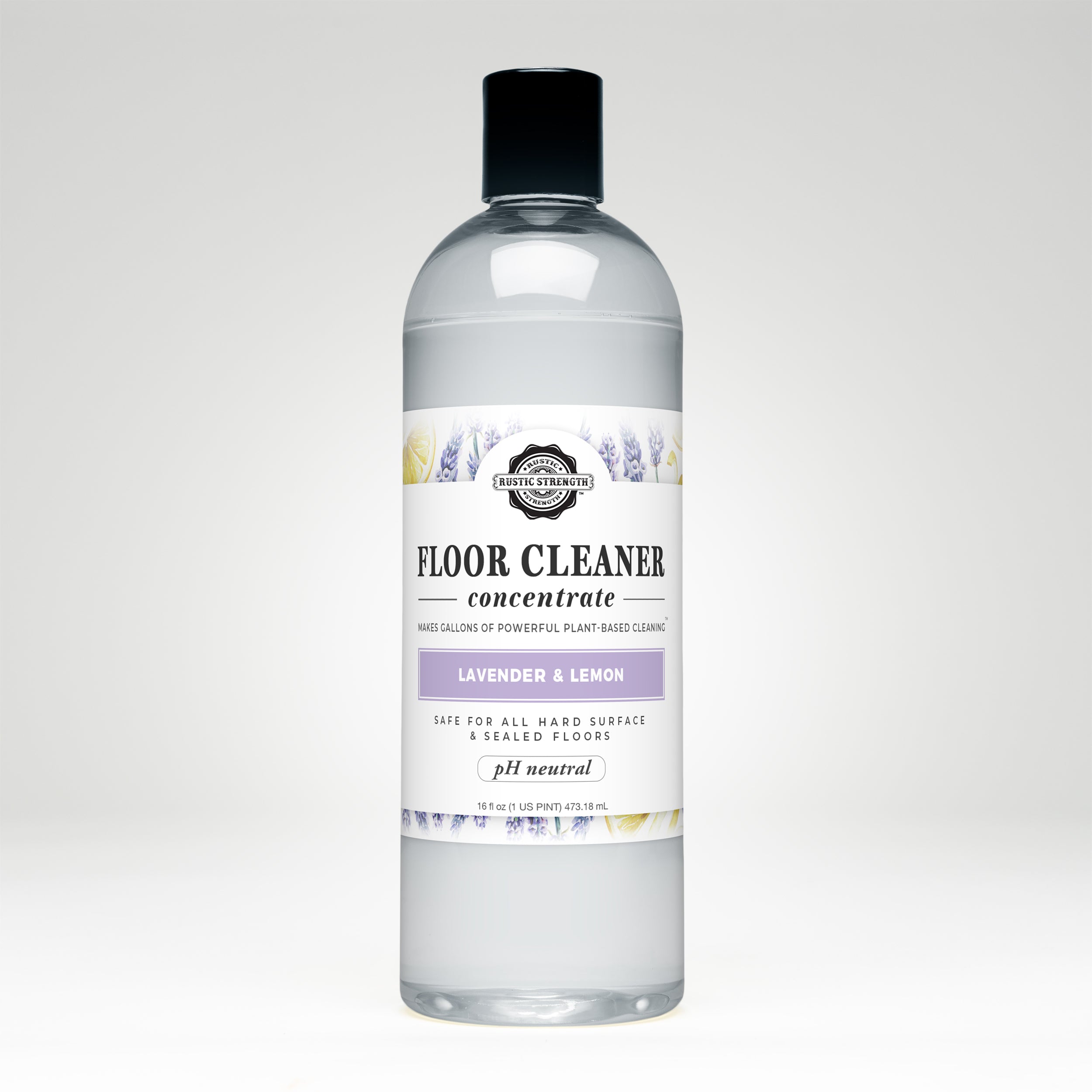
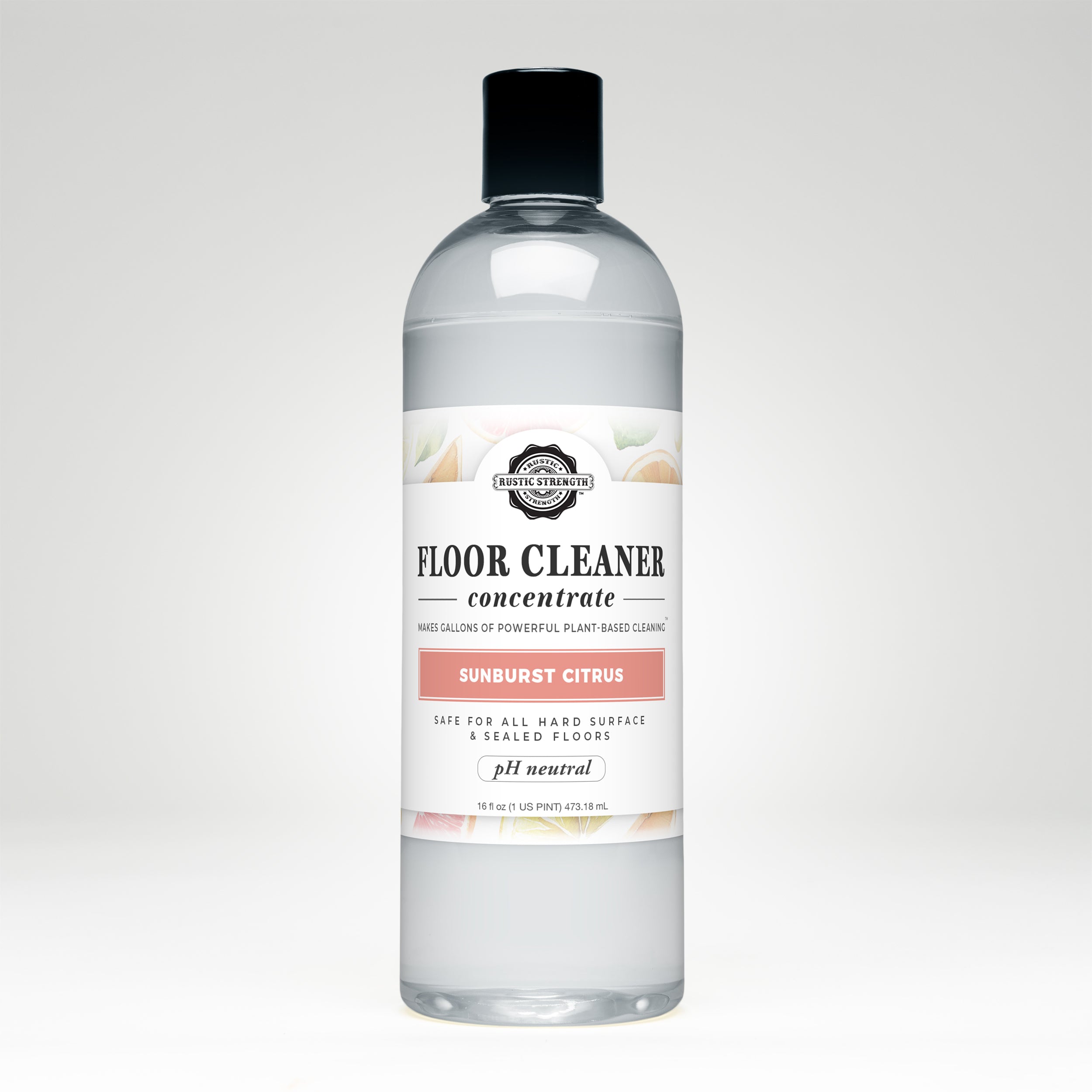
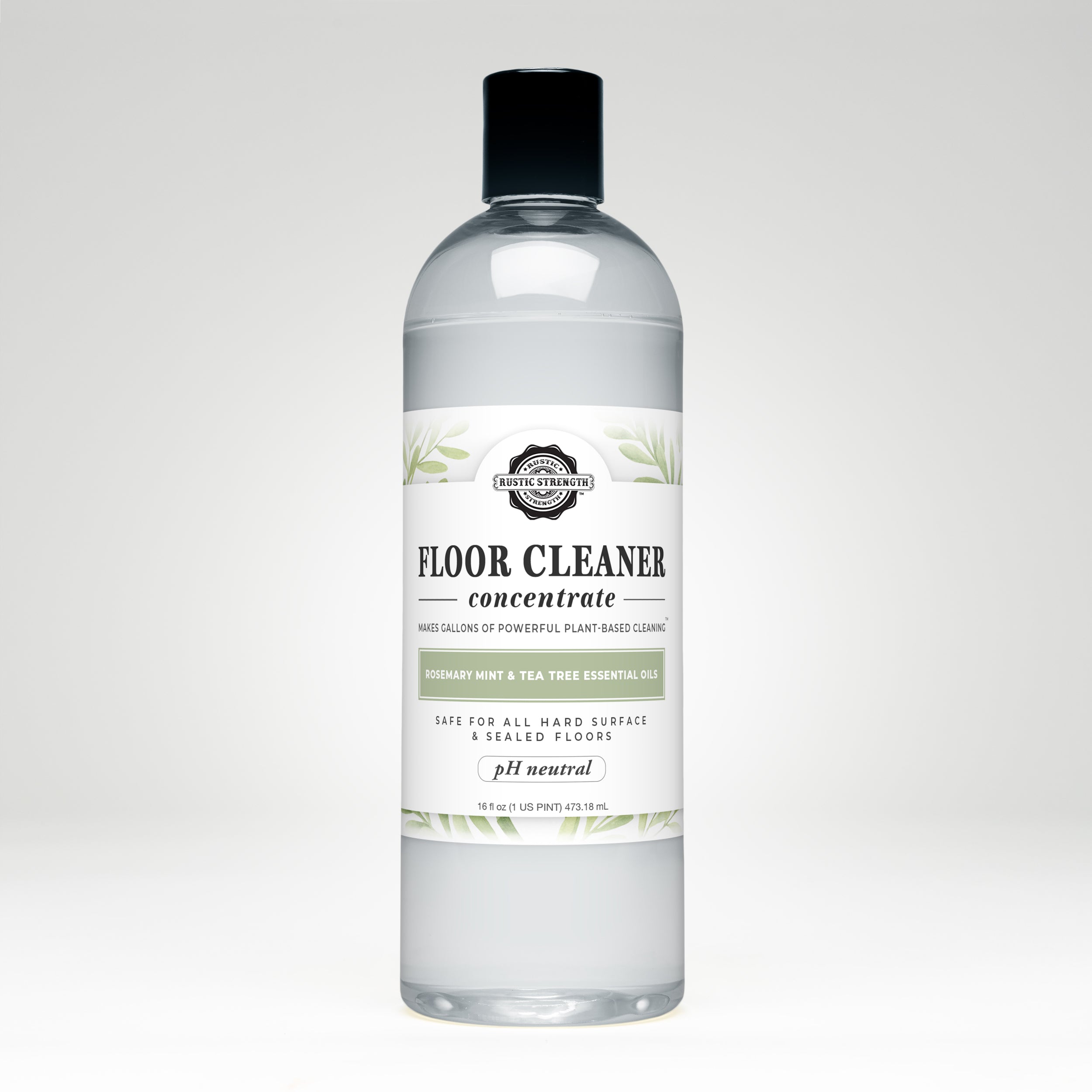
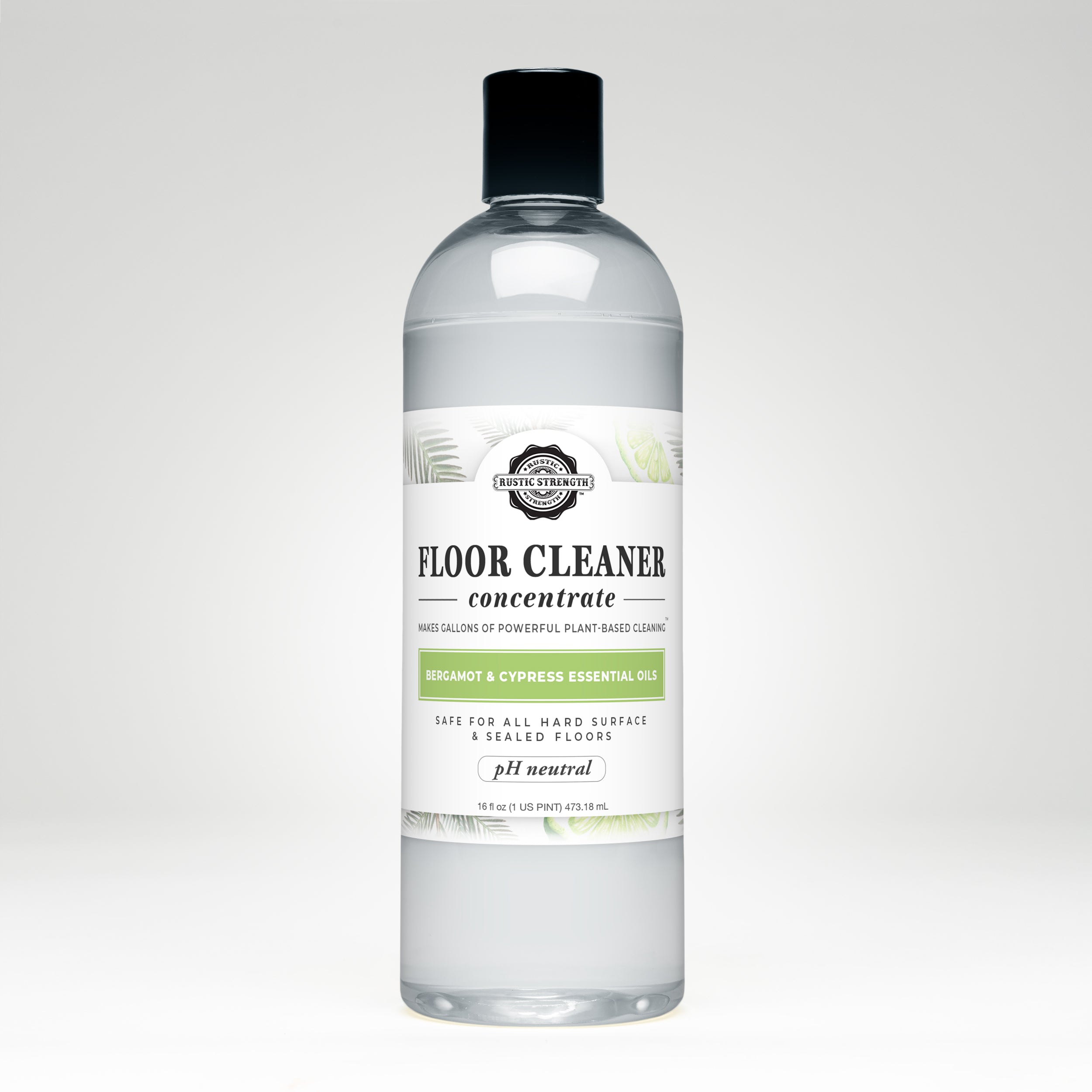
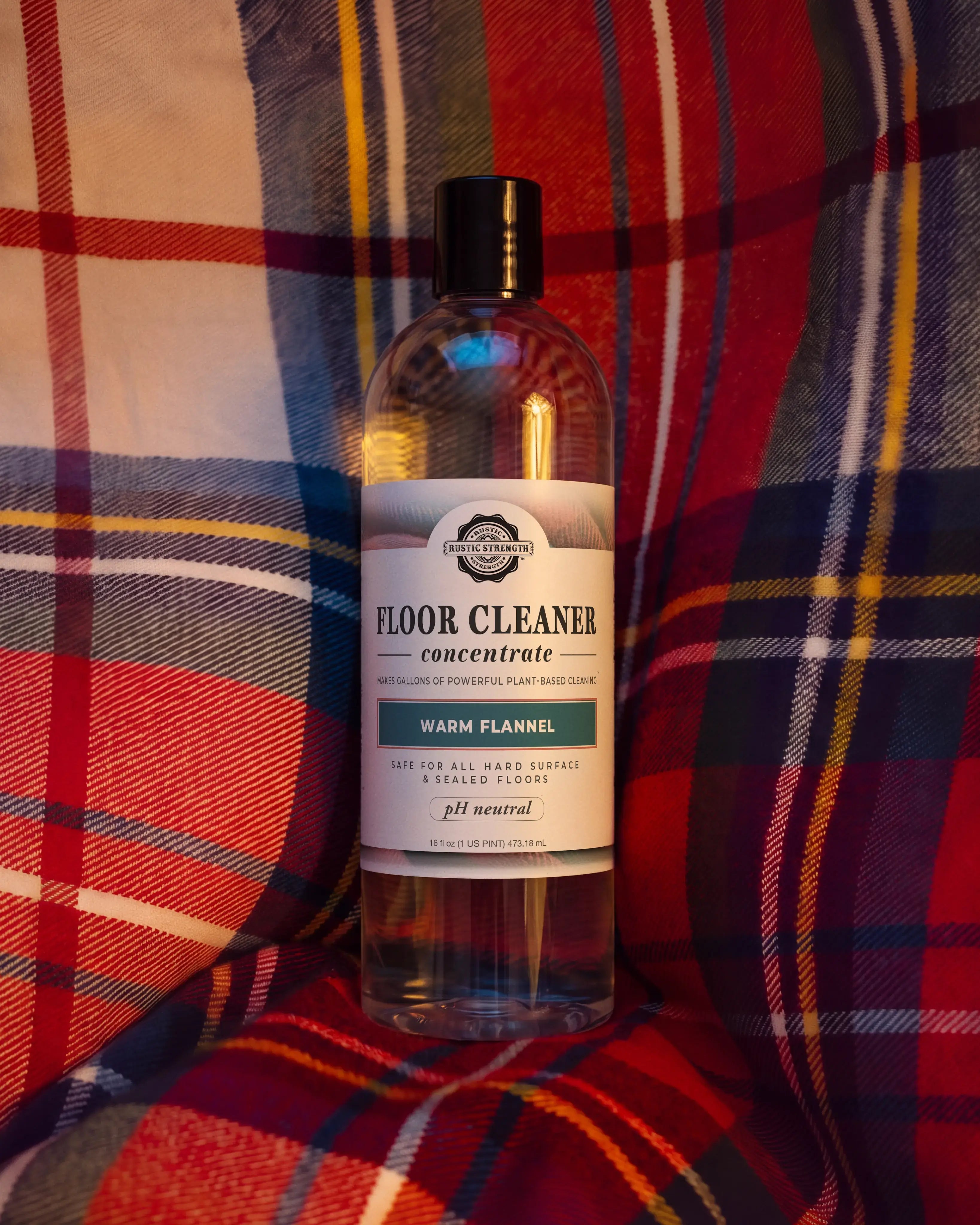
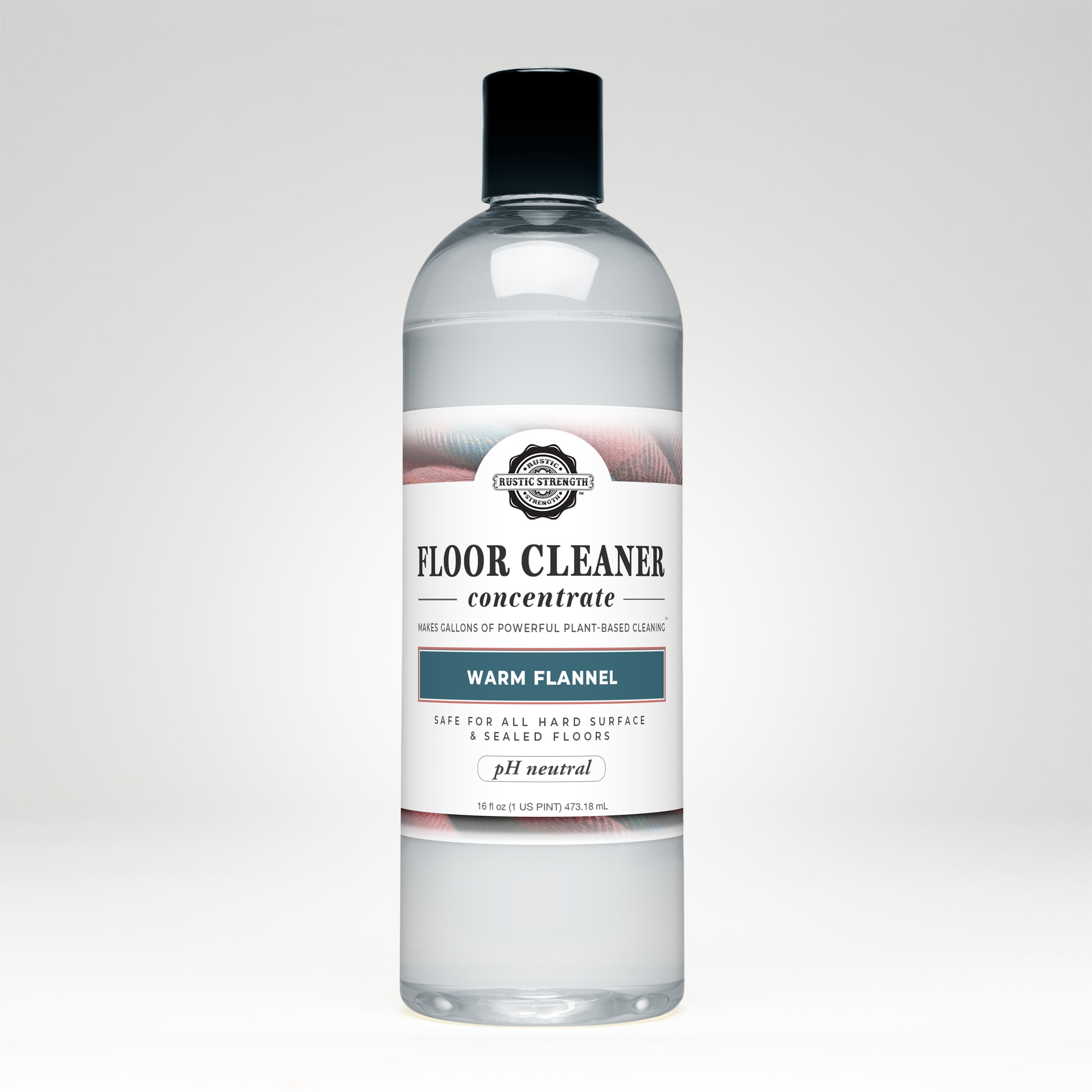
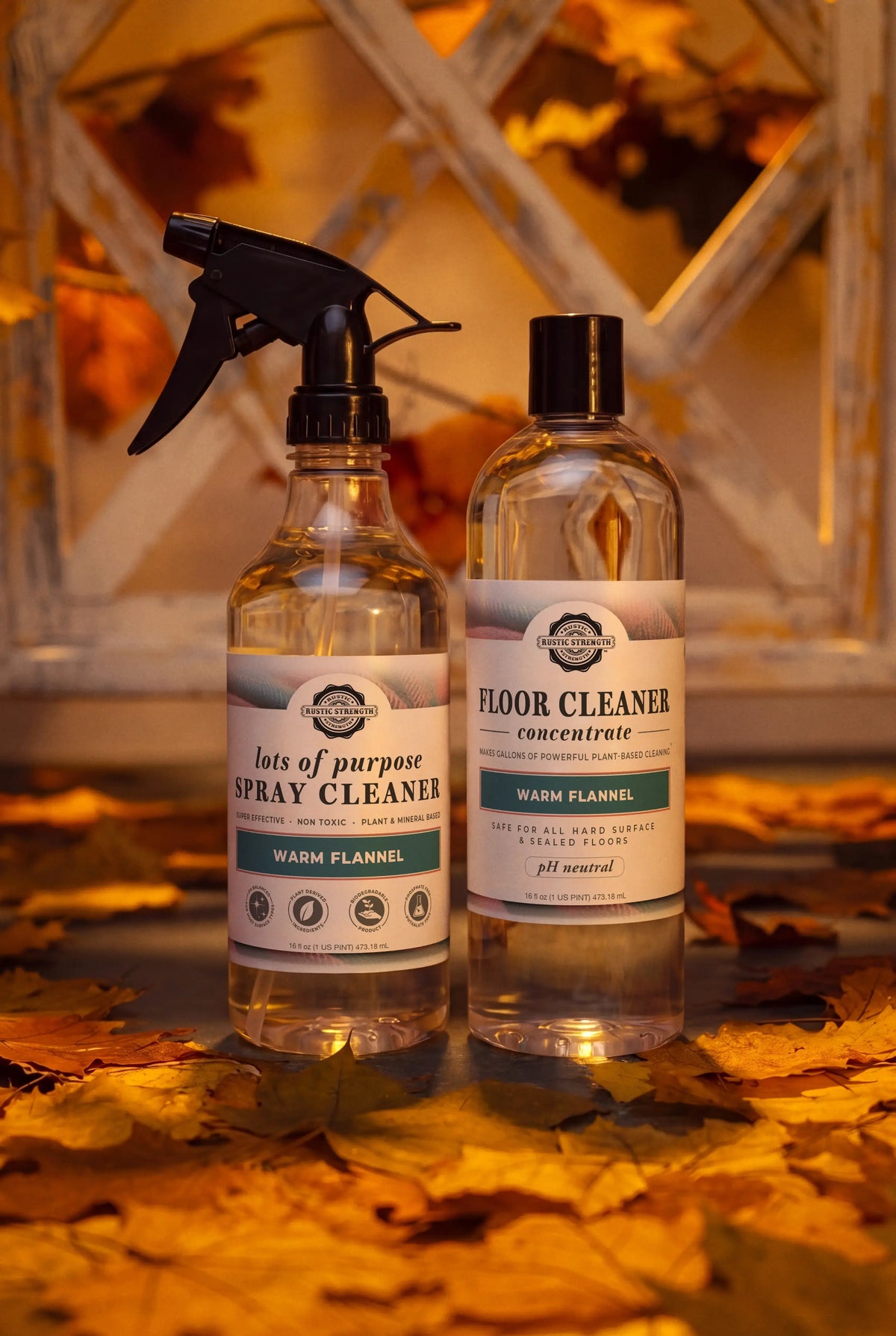
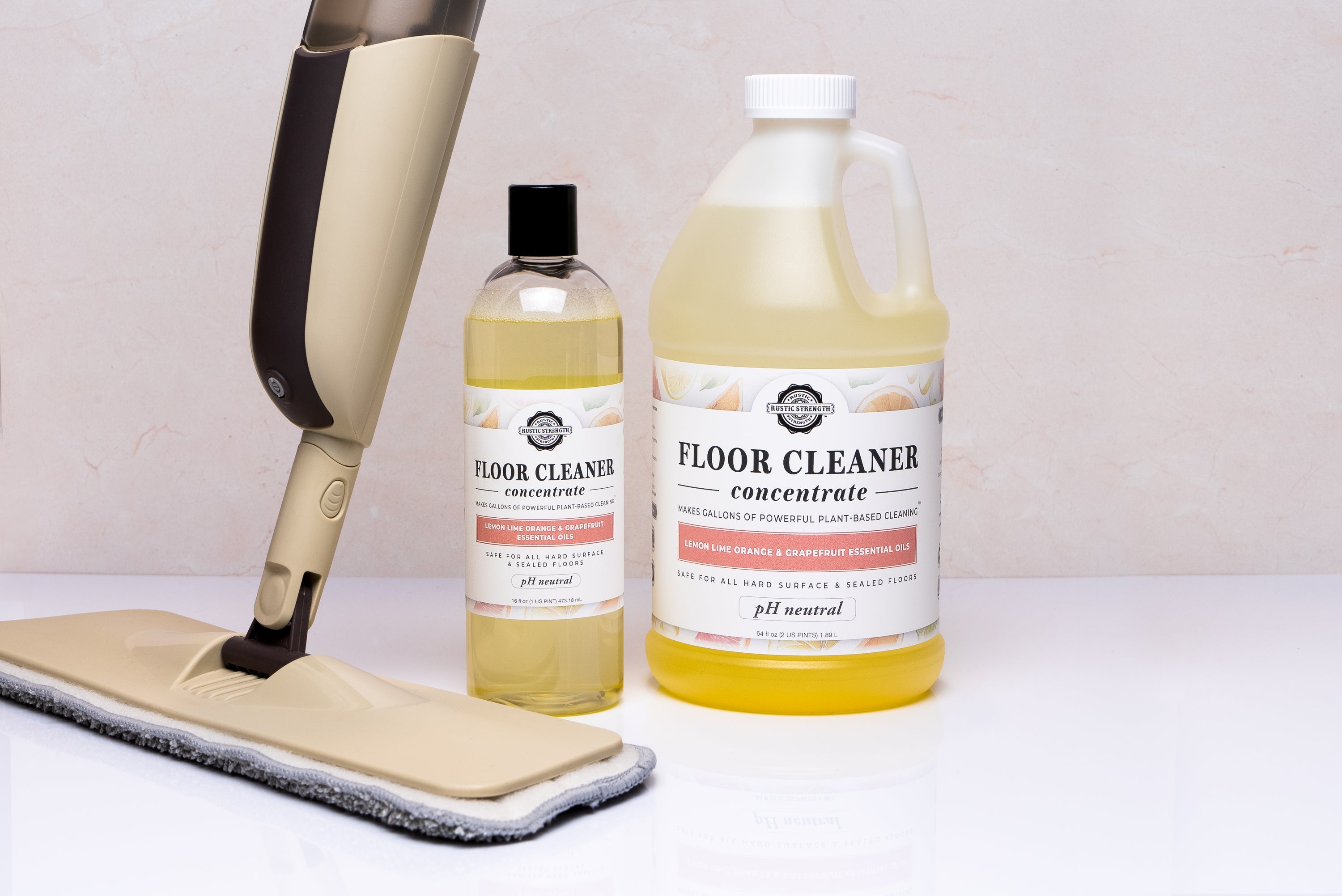
This bathroom floor cleaner concentrate makes gallons of plant-based cleaner from one bottle, helping reduce waste while keeping everyday mopping simple and economical.
The formula is pH neutral, biodegradable, septic safe, graywater safe, and made without ammonia, perfume, phosphates, formaldehyde, bleach, phthalates, dyes, gluten, ethoxylated alcohol, or 1,4-dioxane.
Use it on approved non-porous hard surfaces and sealed floors, including tile, porcelain, ceramic, sealed hardwood, laminate, vinyl, linoleum, epoxy, resin, granite, concrete, wax, and no-wax floors.
Small-batch fresh. Made daily in the Ozarks.
How to Use Bathroom Floor Cleaner
Sweep or vacuum first to remove hair, dust, grit, and loose debris.
Mix up to 6 oz of floor cleaner concentrate per 1 gallon of warm water.
Use a damp mop, not a soaking wet mop. Too much water or too much cleaner can leave streaks, bubbles, or residue behind.
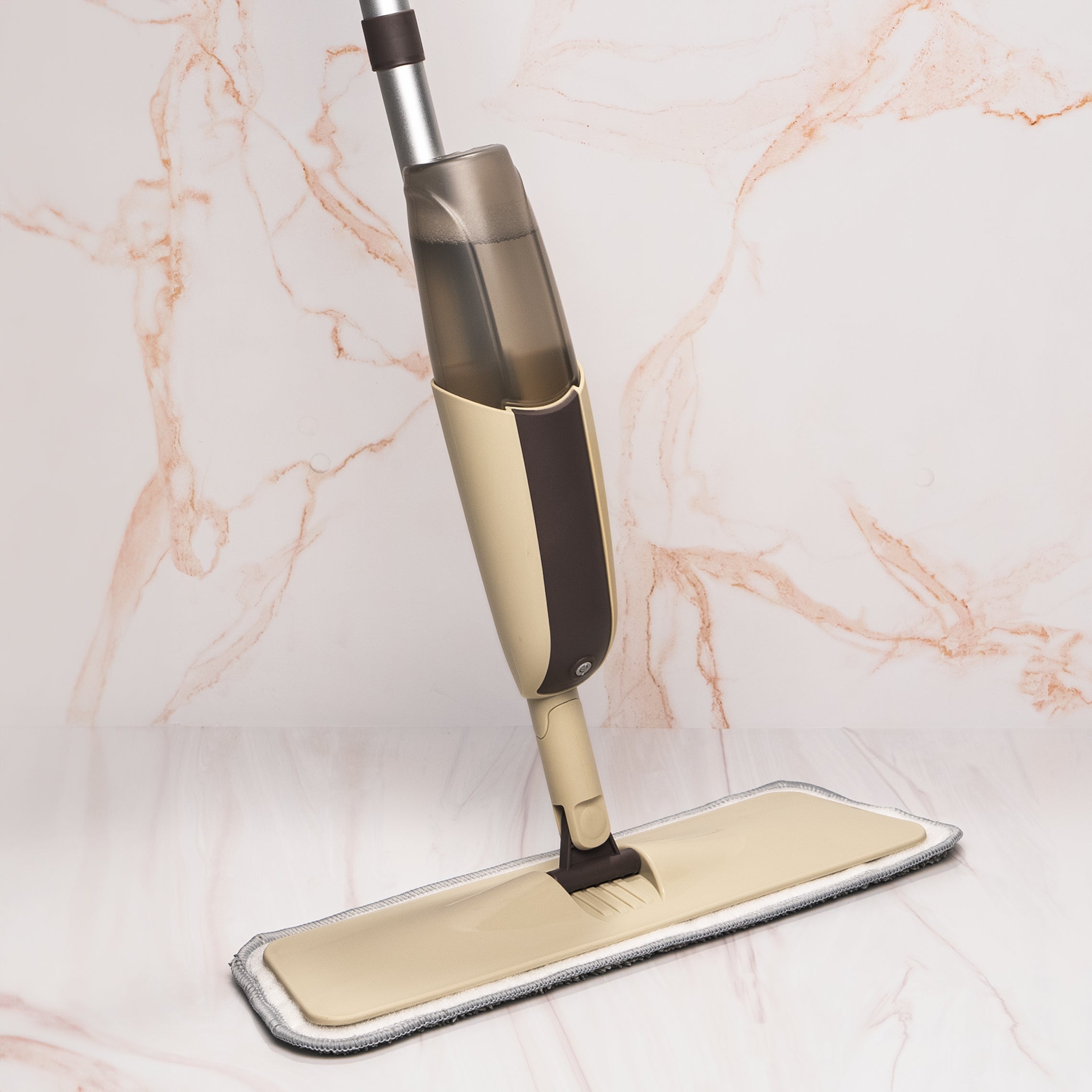
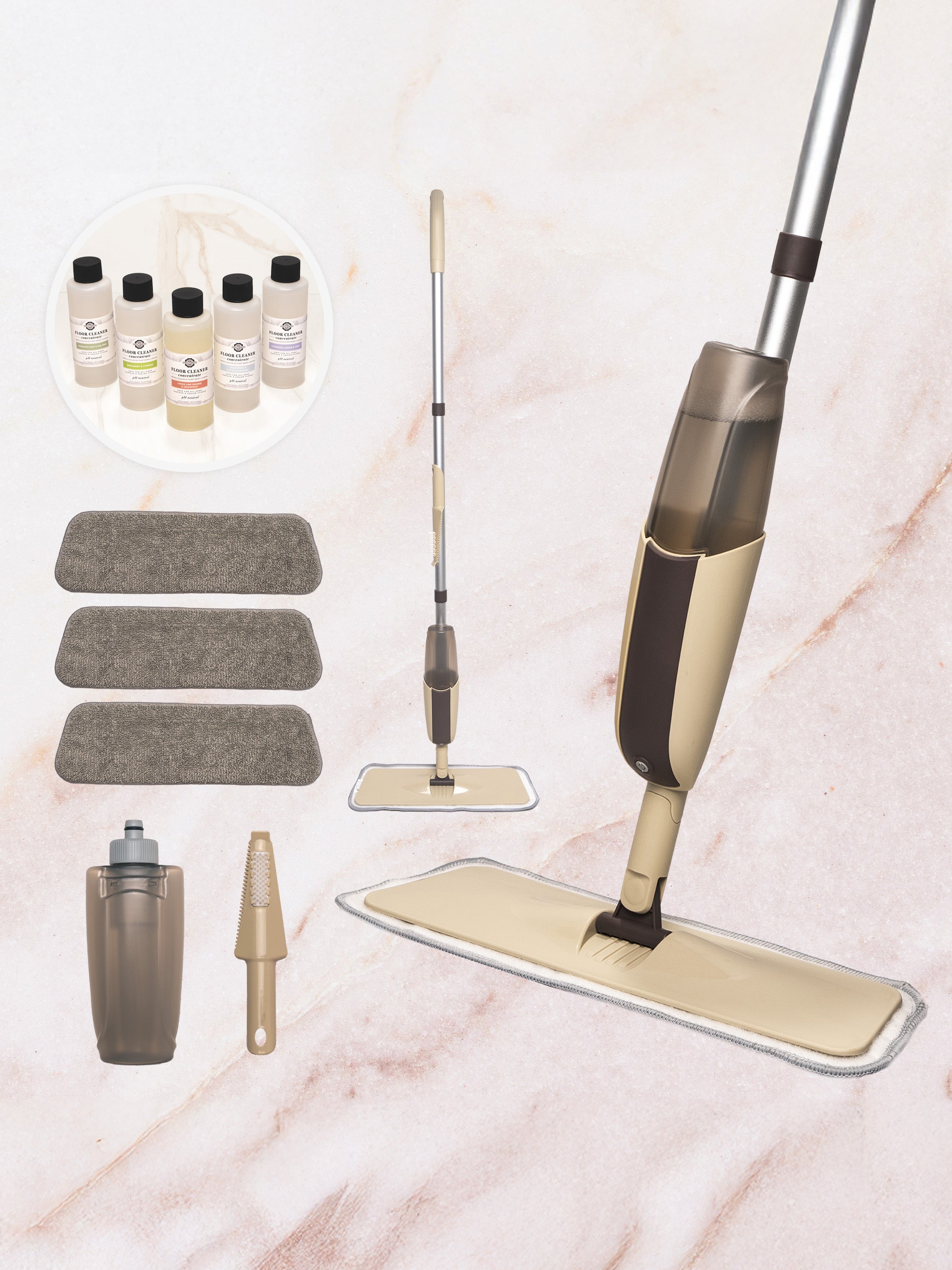
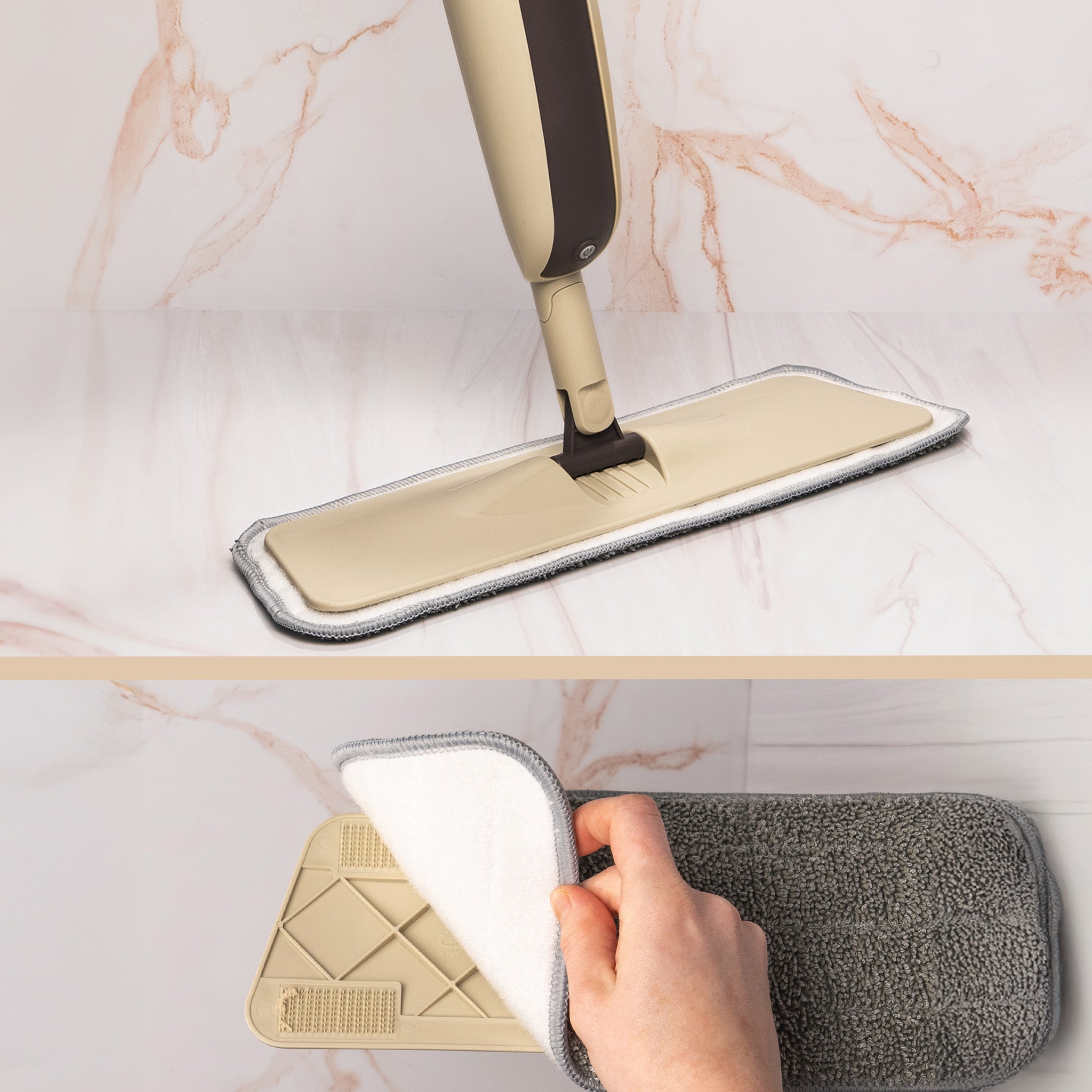
For the Zero Waste Mop, add 1/2 oz of concentrate to the mop reservoir, then fill the rest with warm water. Shake with the cap on before use.
Let floors dry fully before kids, pets, or bare feet return to the area.
FAQs about Bathroom Floor Cleaners
What is the best bathroom floor cleaner?
The best bathroom floor cleaner is pH neutral, non-abrasive, fast-drying, and made to clean without harsh fumes, sticky buildup, or heavy residue. It should clean soap residue, footprints, water spots, hair, and everyday grime.
Can I use this as a shower floor cleaner?
Yes, on non-porous shower floor surfaces such as tile, porcelain, ceramic, and other sealed hard surfaces. Use as directed and avoid soaking the floor.
Do not use on unsealed stone, unsealed grout, carpets, rugs, or fibrous surfaces unless your surface manufacturer says it is safe.
Is this a natural bathroom cleaner?
Yes. This is a plant-based bathroom floor cleaner made with pure essential oils and full ingredient transparency.
It is biodegradable, septic safe, graywater safe, and made without ammonia, bleach, phosphates, formaldehyde, phthalates, dyes, synthetic perfume, or mystery fragrance.
What floors can I use bathroom floor cleaner on?
Use bathroom floor cleaner on non-porous hard surfaces and sealed floors, including tile, porcelain, ceramic, sealed hardwood, laminate, vinyl, linoleum, epoxy, resin, granite, concrete, wax, and no-wax floors.
Do not use on unsealed wood, unsealed stone, carpets, rugs, or fibrous surfaces.
Will this leave bathroom tile streaky?
It should not leave bathroom tile streaky when diluted and used as directed. Use a damp mop and avoid overusing concentrate. If you notice bubbles, streaks, or residue, reduce the amount of concentrate in your next mix.
Is pH neutral cleaner good for bathroom floors?
Yes. A pH neutral cleaner is a good choice for routine bathroom floor cleaning because it cleans everyday grime without being too acidic or too alkaline. It is especially useful on sealed floors and non-porous hard surfaces like tile, porcelain, and ceramic.